

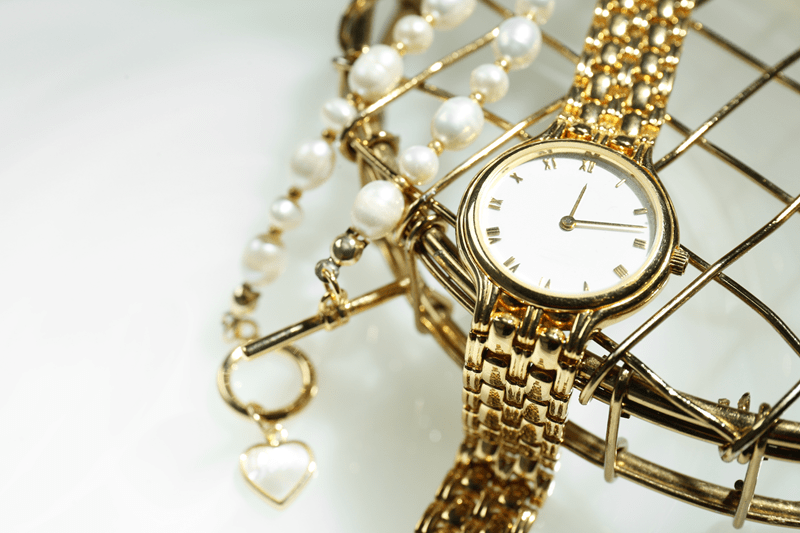
Wrist accessories used to play a supporting role. A watch here. A bracelet there. Nothing too loud. But somewhere along the way, rules softened. Personal style became, well, personal again. That’s where layering comes in. Styling wristbands with watches and bracelets isn’t about showing off. It’s about storytelling. It’s about texture, rhythm, contrast, and yes, a little attitude. This guide walks you through how to layer wristwear in a way that feels effortless, looks intentional, and still leaves room for your own quirks. Whether you’re headed to a casual brunch, a boardroom, or a weekend road trip, the right wrist setup can quietly say a lot.
Mixing wristbands with watches can feel intimidating at first, especially if you grew up hearing that a watch should stand alone. But everyday style in the US leans relaxed, expressive, and practical. That makes this the perfect place to start experimenting.
Here’s the thing. Balance matters more than quantity. One solid watch paired with one or two wristbands often looks better than a full stack that clanks when you move. If your watch has a bold face, keep the wristbands slimmer. If the watch is minimal, you’ve got more freedom to play.
Think of it like music. Too many instruments fighting for attention just creates noise. A good mix lets each piece breathe.
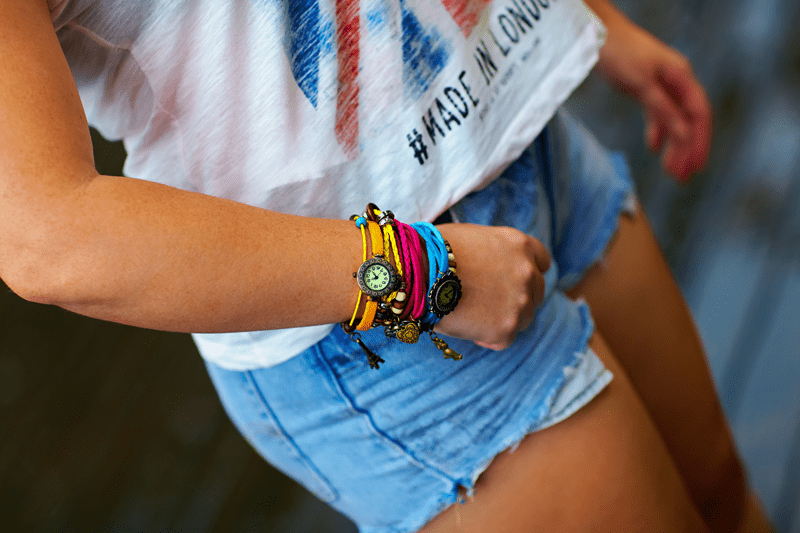
For everyday wear, especially jeans-and-tee territory, fabric or leather wristbands work beautifully. Canvas bands, braided cotton, or soft leather add texture without trying too hard. This is where wristband watch combinations really shine. They feel lived-in, like your favorite sneakers.
You know what? Slight wear actually helps. A perfectly polished stack can feel stiff. A little character makes it human.
Once you’re comfortable pairing a watch with a band, the next step is figuring out what works together instead of just what fits.
Leather with leather is the easy answer, but it’s not the only one. A stainless steel watch can look surprisingly good with a dark leather band. Rubber sports watches pair well with silicone or nylon wristbands, especially for active days.
The trick is to keep one material dominant. Let the others support it.
Color scares people. Honestly, it shouldn’t. Neutrals like black, brown, gray, and navy are safe starting points. From there, add one muted color. Olive. Rust. Deep burgundy. These shades feel grown-up and intentional.
Bright colors work, too, but they need confidence. If you hesitate, it shows.
Layering wrist accessories isn’t about piling things on. It’s about creating a flow that feels natural when your hand moves.
Don’t jam everything against your watch. Leave a little space. Let the pieces shift slightly as you move. That movement adds life to the look.
Some people prefer stacking everything tightly. Others like a loser feel. Neither is wrong. It’s about comfort and how aware you want to be of what you’re wearing.
This is where things get interesting. A souvenir wristband. A gifted bracelet. A fitness band you actually use. Mixing these with a watch adds meaning. It turns an outfit into a story.
Style without meaning can feel empty. Meaning without style can feel messy. The sweet spot sits somewhere in between.
There are days when you want your wrist to look sharp. Maybe it’s a meeting. Maybe it’s a date. That’s when watch bracelet pairing becomes key.
Yes, you can wear a metal bracelet with a metal watch. The trick is scale. If the watch is chunky, choose a thinner bracelet. If the watch is sleek, you can afford a bit more weight.
Try mixing finishes, too. Matte and polished together add subtle contrast.
Metal can feel cold. Adding a single leather or beaded bracelet softens the look instantly. It’s like wearing a blazer with a T-shirt instead of a dress shirt. Still polished, just more relaxed.
That contrast keeps things from feeling too corporate.
Not every wrist stack works for everyday. Your lifestyle should guide your choices more than trends do.
If you’re moving around a lot, less is more. Sweat-resistant bands. Secure clasps. Nothing that slides too much. This is where function leads style, and that’s okay.
A sporty watch with one durable wristband often looks better than a complicated stack that gets in the way.
Office environments vary across the US, but subtlety usually wins. Stick to two or three pieces max. Neutral colors. Clean lines. Nothing noisy.
You can still show personality. Just keep it quiet.
Style shifts with the weather, and your wristwear should too. What feels right in July might feel off in January.
Warm months invite lighter materials. Fabric, rope, thin leather. Colors can brighten up. White. Sand. Soft blues. These pair beautifully with summer watches and short sleeves.
When your wrists are visible, they carry more visual weight. Keep things airy.
Cold weather calls for richness. Dark leather. Heavier metals. Deeper tones. When sleeves come into play, wrist jewelry mixing becomes more subtle, almost like a hidden detail.
That quiet confidence? It shows.
After all the tips, rules, and ideas, here’s the truth. The best wrist stack is the one you forget you’re wearing.
Trends come and go. Personal habits stick. If something feels off, it probably is. If it feels right, it usually looks right too.
Take inspiration from others, sure. But don’t copy blindly.
Your wrist stack today doesn’t have to be your wrist stack next year. Style grows. Tastes change. Pieces come and go.
That evolution is part of the fun.
Styling wristbands with watches isn’t about perfection or rules carved in stone. It’s about balance, comfort, and expression. From casual wristband watch combinations to polished watch bracelet pairings, the goal stays the same. Create a look that feels like you. Layering wrist accessories lets you mix memory with mood, function with flair. Play with it. Adjust it. And most importantly, wear it like you mean it.
Usually, one or two wristbands work best. More than that can feel crowded unless the pieces are very minimal.
Yes, you can. Keep one tone dominant and use the other as an accent to avoid visual clutter.
They are, especially when paired thoughtfully. Neutral or natural beads feel timeless and easy to wear.
Not exactly. Coordination matters more than matching. Think complementary, not identical.
This content was created by AI