

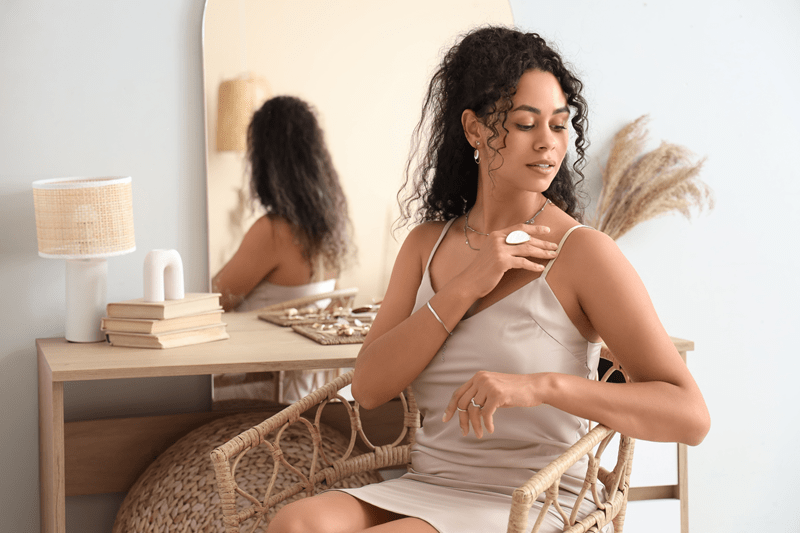
Wearing accessories without overdoing it helps outfits feel clean and confident, rather than cluttered. Many people want a style that feels calm, not crowded. Accessory balance tips support better choices; not too much jewelry keeps the look soft, and a subtle accessorizing guide makes dressing easier each day. Tasteful accessories and moderate styling tips work best when they match real-life routines. Here's the thing: good style usually feels quiet, not loud.
This article provides practical guidance rooted in established fashion education, retail styling practices, and wardrobe planning methods used by professionals. The focus stays on simple advice that real people can apply without stress.
Trends push more layers, more sparkle, and more everything. That often leads to cluttered looks. Wearing accessories without overdoing it keeps style timeless and wearable. What this really means is that balance creates confidence, while excess creates distraction.
People searching for a better style often struggle with the same issue. They like accessories but feel unsure how much is too much. Accessory balance tips solve that problem by teaching restraint. Not too much jewelry keeps attention on the person, not just the items. Tasteful accessories help outfits look finished without effort.
Accessory balance tips focus on proportion, intention, and restraint. Stylists and image consultants widely teach these ideas because they work across various age groups, body types, and personal tastes.
One strong piece creates impact. Too many strong pieces fight for attention.
Good examples include
This habit helps you wear accessories without overdoing it, as it keeps the look focused. A subtle accessorizing guide often begins with this rule for good reason.
Casual outfits call for softer choices. Dressy outfits can handle more shine.
Examples that work well
Tasteful accessories always seem to complement the clothing. Moderate styling tips suggest that harmony matters more than quantity.
A simple habit helps. Put on all accessories, then remove one of them. The result usually feels better. This practice allows for moderate jewelry use without requiring strict rules.
Not too much jewelry does not mean boring. It means intentional. Jewelry should highlight the person, not overpower the face or body.
Stylists often recommend the rule of balance. If earrings are bold, keep the necklace light. If rings are stacked, skip heavy bracelets. Wearing accessories without overdoing it becomes easier when each piece has space to breathe.
Examples of balanced jewelry choices
This approach appears often in subtle accessorizing guide materials taught in fashion courses and retail training.
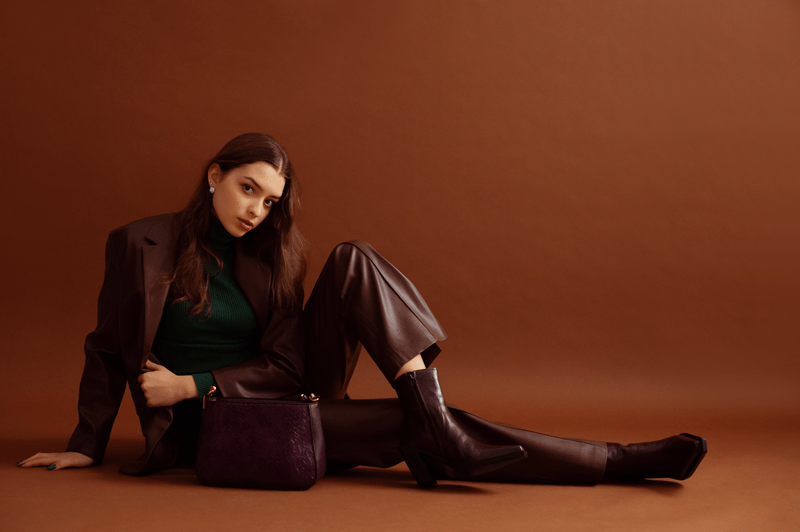
A subtle accessorizing guide focuses on repeatable habits that work for real life. Most people need a style that fits school runs, office hours, errands, and downtime.
Professional settings benefit from calm choices. Tasteful accessories support credibility and polish.
Smart options include
These choices follow accessory balance tips used in corporate and business styling education.
Relaxed outfits still benefit from structure. Moderate styling tips suggest incorporating one or two subtle details to enhance the look.
Try these ideas
Not too much jewelry works best here, as comfort remains high and style still feels thoughtful.
Social settings allow more expression. Even then, wearing accessories without overdoing it keeps the look elegant instead of chaotic.
Good examples
The goal stays the same. Let one or two pieces shine while the rest support.
Tasteful accessories are typically chosen with care, rather than impulse. Quality materials, clean finishes, and timeless shapes tend to last longer and retain their beauty.
Common traits of tasteful accessories
This approach reflects advice shared by many wardrobe consultants and fashion educators. Subtle accessorizing guide principles often highlight that fewer high-quality pieces outperform extensive collections of trendy items. Wearing accessories without overdoing it becomes easier when the collection itself stays curated.
Moderate styling tips support smarter buying habits. Instead of collecting dozens of pieces, focus on versatile items that can be used in multiple ways.
Core pieces that support many outfits
These pieces support accessory balance tips because they layer easily without overwhelming the look. Not too much jewelry becomes natural when each item works with many outfits. Many professional stylists recommend this strategy to clients because it simplifies decisions and reduces clutter.
Seasons change the way accessories feel and function. The same principles still apply.
Summer outfits already feel light. Heavy accessories can feel out of place.
Better choices include
These choices support subtle accessorizing habits that keep the look breathable and clean.
Layers allow for slightly more detail. Even then, moderation still matters.
Good options include
Tasteful accessories in winter often add texture rather than shine. Accessory balance tips remain useful across all seasons.
Many people struggle not because they lack style, but because small habits repeat too often.
Wearing too many statement pieces at once creates visual noise. Mixing too many metals without intention can feel messy. Choosing accessories that do not match the outfit's mood can create confusion. Ignoring scale is also crucial; oversized pieces can overwhelm small frames, while tiny pieces may get lost on bold outfits.
Moderate styling tips focus on awareness. Once habits improve, wearing accessories without overdoing it becomes natural, rather than forced.
A decision that is simple to make boosts confidence. When you can visualize how an accessory will work together with your other clothes, you can make fewer second guesses about whether or not you should wear it. When the outfit is finished, you feel like you've shown someone who you are, rather than just what you have worn.
Accessories worn in moderation give you the freedom to concentrate on your expression rather than on excess. Accessories that strike a sense of balance will allow you to worry less about what your outfits will look like daily. There are many different ways to create a unique style without having extensive rules. You can simplify choices by using tips to balance your accessories moderately. You can develop your own unique style of wearing clothes and accessories with confidence.
Wearing accessories without overdoing it creates a calm and confident style. Accessory balance tips support smarter choices each day. Not too much jewelry keeps the focus on the person. A subtle accessorizing guide builds clarity. Tasteful accessories and moderate styling tips help outfits feel intentional, comfortable, and easy to repeat.
Style comes from balance, not quantity. One or two well-chosen pieces often look more polished than many-layered items.
Not too much jewelry keeps attention on the face and outfit. It prevents visual clutter and helps each piece feel intentional.
Yes, accessory balance tips focus on proportion and harmony. These principles apply across age groups and personal styles.
Tasteful accessories typically feature simple shapes, neutral tones, and high quality. They mix easily with many outfits and avoid extreme designs.
This content was created by AI