

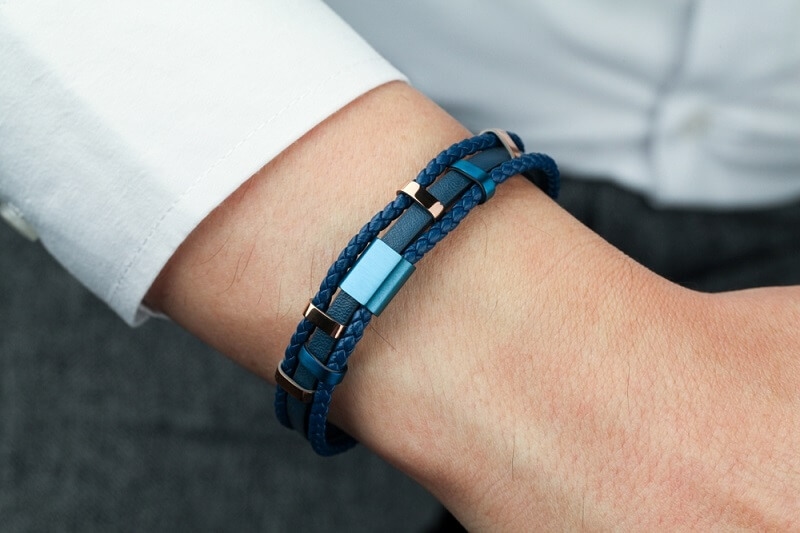
Finding the right kind of wristband can be more confusing than you expect! There are numerous choices to select from, resulting in a wide range of options available. Wristbands have very different functions! Wristbands can provide a way for you to express your love for someone, show your support for an organization, and help you keep track of your location at a festival or concert. This wristband guide provides all the information you need to make an informed decision about which wristband is best for you. Here, we will cover the major categories of wristbands, discuss the different types most commonly used, and provide a solid foundation for making an informed decision on which wristband is proper for you.
What this really means is understanding material, closure, and function. Let's get into the details.
The belief that wristbands are simply a way to be fashionable is misguided, as there are two primary functions for wristbands today: they provide us with a safe, accurate means of identification. Examples of other uses for wristbands can be found in access control, health monitoring, and self-expression.
For hospitals, using wristbands is a way to reduce medical error rates. Schools utilize wristbands to track students attending school field trips. Events use wristbands to keep track of who has and hasn't entered the venue. Fitness enthusiasts utilize wristbands and related products to aid in achieving their fitness goals.
When the right types of wristbands are chosen, daily life becomes smoother. A thoughtful, unique wristband guide helps reduce wasteful spending and avoid frustration. This is why clear wristband categories deserve attention instead of guesswork.
The stuff a wristband is made from defines its look, feel, and job. Here's a breakdown of the most common materials you'll encounter.
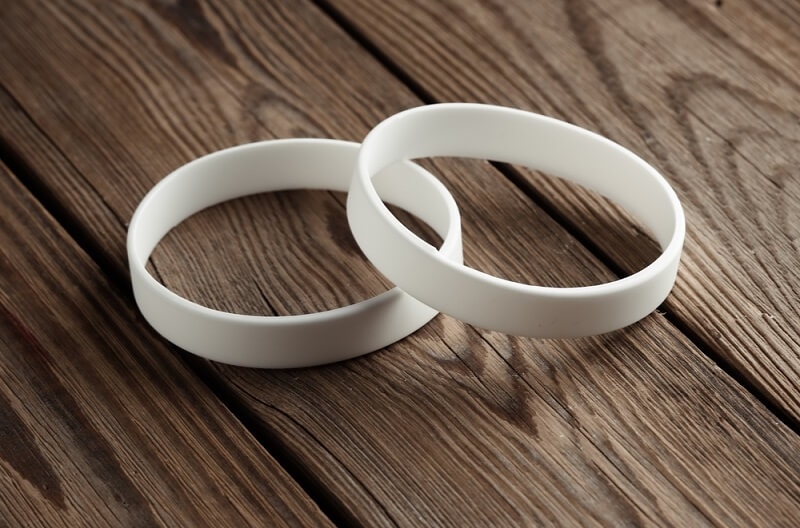
These are the classic bands you've probably seen a hundred times. They're stretchy, durable, and super affordable. You usually slip them right over your hand. Because you can print or deboss words and logos right into the material, they're a favorite for fundraising, awareness campaigns, and corporate events. They come in every color imaginable, even glow-in-the-dark or swirly patterns.
Think of the cloth tickets you get at music festivals. Fabric wristbands, often made from woven nylon or polyester, strike a balance between security and comfort. They're typically fastened with a plastic or metal closure that can't be removed without cutting. This makes them the go-to choice for multi-day events that require proof of entry. They're soft against the skin, which is great for long-term wear.
That paper-like, tear-resistant material is Tyvek. These wristbands are incredibly lightweight and economical. They use a permanent adhesive closure, so once they're on, they won't come off intact. You'll see these at carnivals, single-day festivals, and swim parks. They're ideal for situations where a one-time, low-cost solution is needed.
Vinyl bands offer a nice middle ground. They're more durable than Tyvek but often less expensive than silicone or woven fabric. They frequently have a plastic clip closure and can be printed with high-quality graphics. Many clubs, bars, and smaller events use vinyl because it offers a step up in perceived value without a significant price increase.
How a wristband stays on is just as important as what it's made of. The closure often determines its level of security.
This wristband options overview shows that closure choice is directly tied to the event's need for security versus convenience.
Now, let's combine material and purpose to examine specific styles. This is where wristband varieties really shine.
This is a vast category. It includes everything from simple Tyvek day passes to intricate woven fabric bands for VIP guests. Their main jobs include access control, identification (such as verifying someone's age), and occasionally serving as a souvenir. Security features are key here.
Made famous by the yellow Livestrong bands, these are typically silicone. Their goal is to spread a message, show unity for a cause, or promote a brand. They are conversational pieces worn daily. Customization is the focus, with embossed or debossed messaging.
These are functional lifesavers. They are made from durable materials, such as silicone or waterproof vinyl, and are engraved or printed with critical health information, including allergies, conditions, and emergency contacts. Their closure is secure but can be easily removed by medical personnel if needed.
You find these in hospitals for patient ID, at resorts for guests, or at large conferences. They often include a space to write a name, date, or room number. They prioritize clear, legible information and tamper evidence.
With all these wristband styles explained, how do you pick? Ask yourself a few simple questions.
Considering these points will help you determine the correct category. For instance, a school fun run might pick colorful silicone bands, while a tech conference would lean towards fabric or vinyl with a secure clasp.
It's interesting how the evolution of wristbands reflects society and technology. From being just a way to identify an individual to being used for things such as being cashless when making a payment for food at a food truck to using them for helping you keep track of your child in a crowded play area (a.k.a. the kids' playground), wristbands continue to change and evolve to serve the needs of individuals and businesses. While the essential function of a wristband (the material and technology that comprise the wristband) will always be the same (a band that wraps around your wrist), the innovation related to the material or technology used, and how they can be applied to improving the way we live and work, will only continue to improve each year.
The world of wristbands is surprisingly deep. From the simple silicone loop to the high-tech RFID weave, each type serves a distinct role. This guide to the various kinds of wristbands provides you with the map. Whether you're planning an event, supporting a cause, or need a functional ID, understanding the materials, closures, and styles ensures you'll find the perfect fit. Your ideal wristband is out there waiting.
Silicone and woven fabric wristbands are generally the most durable for long-term wear. Silicone withstands weather and stretching well, while high-quality fabric resists fraying and fading.
It depends on the closure. Slip-on silicone bands are easily reused. Bands with adhesive closures or security clasps are designed for one-time use and will be damaged if removed.
Hypoallergenic silicone and soft fabric bands are usually safe. For extended wear, look for bands explicitly labeled for sensitive skin or made from medical-grade materials.
Most manufacturers work with standard sizes for adults, youth, and children. For a precise fit, measure the circumference of the wrist where the band will sit and provide that measurement in inches or centimeters.
This content was created by AI