

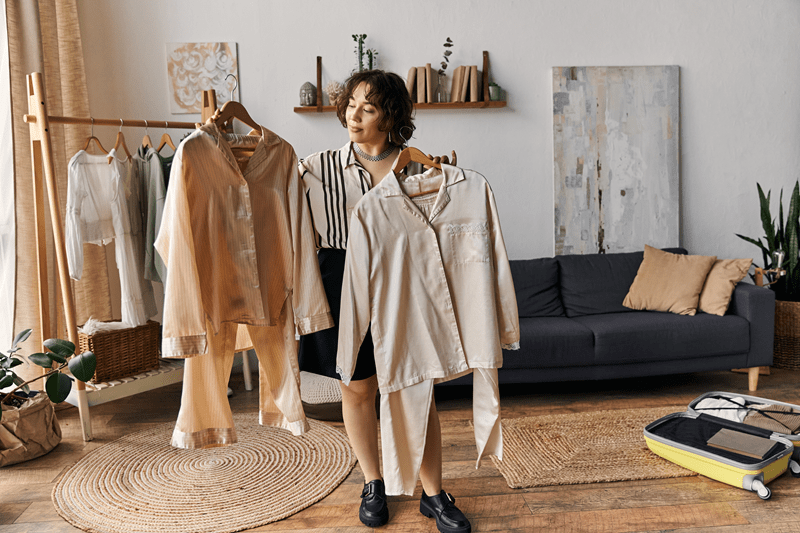
Minimalist fashion has a funny reputation. Some people picture empty closets and boring outfits. Others imagine strict rules and endless neutrals. Honestly, neither version gets it right. A minimalist fashion wardrobe is less about limits and more about clarity. It’s about knowing what works for you, wearing it often, and feeling quietly confident while doing so. This guide walks through how to build that kind of wardrobe, from simple wardrobe ideas to capsule wardrobe basics, while keeping things relaxed, realistic, and very wearable for everyday life in the USA.
Before clothes come hangers, there’s a mindset shift. This section sets the tone for how a minimalist fashion wardrobe actually supports personal style instead of shrinking it.
You know what? Too many choices can feel exhausting. Standing in front of a packed closet yet thinking “I have nothing to wear” is a shared experience. Minimalism flips that script. When every item earns its place, getting dressed feels lighter. You stop second-guessing. You start trusting your taste.
There’s a quiet confidence in repeating outfits. Think about Steve Jobs’ uniform or how New Yorkers seem to pull off the same coat all winter and still look sharp. Less is more fashion works because consistency reads as confidence. And confidence, honestly, is the real accessory.
Once the mindset clicks, the next step is structure. This section focuses on shaping simple wardrobe ideas that fit real schedules, real bodies, and real climates.
Here’s the thing. If your days involve commuting, school drop-offs, or remote meetings, your clothes should match that rhythm. Minimalism fails when it’s based on an imagined life. A wardrobe built for your actual routine feels supportive, not restrictive.
A tight color range keeps outfits cohesive without trying too hard. Neutrals like navy, beige, gray, and black form a reliable base. Add one or two accent colors you love. That’s it. Suddenly, everything talks to everything else, and getting dressed feels smoother.
This section zooms in on the pieces that quietly carry the whole wardrobe. Not flashy. Just dependable.
Minimal clothing essentials often include items like a crisp white tee, well-fitting denim, a tailored blazer, and comfortable shoes you can walk in all day. These aren’t trends. They’re tools. Brands like Everlane, Uniqlo, and Madewell get mentioned a lot for a reason. They balance quality with ease.
Two people can wear the same shirt and look completely different. Fit does that. A minimalist wardrobe leans heavily on tailoring, even small tweaks. Shortening sleeves or hemming pants changes how polished everything feels. It’s a small effort with a big payoff.
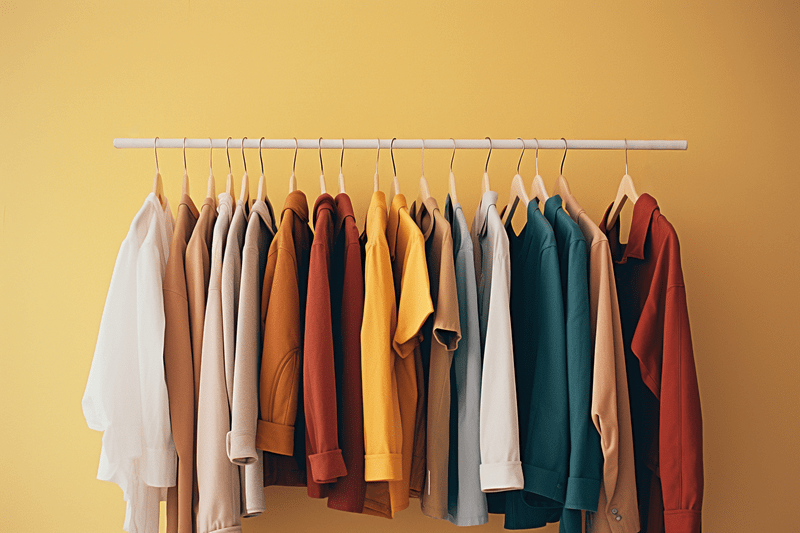
Capsule wardrobes sound rigid, but they don’t have to be. This section keeps it flexible and human.
At its core, capsule wardrobe basics are about rotation, not restriction. A set number of pieces that mix well and suit a season. That’s all. You’re allowed to swap items out. You’re allowed to change your mind. Minimalism isn’t a contract.
In the USA, seasons vary wildly. Summer in Texas isn’t the same as summer in Maine. Capsules work best when they adjust. Lightweight layers, breathable fabrics, and weather-appropriate shoes keep things practical. You’re not chasing perfection. You’re staying prepared.
This is where theory meets the mirror. It’s about how outfits actually look and feel when worn.
Wearing similar silhouettes again and again creates a signature look. Maybe you favor straight-leg pants. Maybe you love oversized knits. Repetition isn’t boring. It’s branding. People start associating you with a certain ease or polish, even if they can’t explain why.
Minimal outfits love thoughtful accessories. A leather tote, a simple chain necklace, or classic sunglasses can shift the mood of an outfit without clutter. The trick is restraint. One or two pieces. Not five.
Style advice often sounds lofty. This section keeps things grounded and wearable.
An outfit formula is a repeatable combo that always works. Jeans plus tee plus blazer. Dress, sneakers, plus a denim jacket. Minimalist outfit tips often come down to having a few formulas you trust. When mornings are rushed, formulas save sanity.
Honestly, if something pinches or pulls, it won’t get worn. Minimalism encourages listening to your body. Stretch fabrics, breathable cotton, and supportive shoes matter. Feeling comfortable shows. It changes posture, movement, and mood.
Minimalism doesn’t mean shopping again. It means shopping with intention.
Here’s a habit worth trying. When you want something new, wait a day or two. If you’re still thinking about it, check if it works with at least three items you already own. This pause filters impulse buys and keeps closets calm.
Spending a bit more up front can feel uncomfortable. But replacing cheap items again and again costs more over time. Well-made clothing lasts longer and often looks better as it ages. Think of it like cookware. You don’t replace a good pan every year.
This final section widens the lens and connects fashion to daily life.
There’s something soothing about visual order. Opening a tidy closet sets a different tone for the day. It’s not magic. It’s psychology. Fewer visual distractions equal less mental noise.
Minimalism isn’t static. Bodies change. Jobs change. Tastes shift. A thoughtful wardrobe adapts. Pieces come and go, but the core stays steady. That’s what makes the approach sustainable and personal.
A minimalist fashion wardrobe isn’t about chasing perfection or following rigid rules. It’s about clarity, ease, and feeling like yourself in what you wear. From simple wardrobe ideas to capsule wardrobe basics, the goal stays the same. Wear less. Enjoy more. Trust your taste. And remember, style doesn’t shout. Sometimes it just shows up quietly and gets the job done.
Not necessarily. Starting with what you already own saves money. Over time, investing in fewer, better pieces often balances costs.
There’s no fixed number. The right amount is whatever feels manageable and wearable for your lifestyle and climate.
Yes. Trends can be added through small accents like colors or accessories without overhauling the entire wardrobe.
Absolutely. Minimalism adapts easily across age groups because it focuses on fit, comfort, and personal style rather than age rules.
This content was created by AI