


Ever stood in front of your closet thinking you have nothing to wear, even though it’s clearly full? You’re not alone. Most outfit struggles don’t come from a lack of clothes but from confusion about color. That’s where smart color choices change everything. This blog walks you through color matching fashion in a way that feels natural, not forced. We’ll talk about why some outfit color combinations just work, how the fashion color wheel quietly guides great style, and how matching colors in style can feel effortless once you know a few simple rules. Think of this as a friendly chat with a stylish friend who explains things without making you feel silly.
Color matching fashion is the quiet backbone of personal style. Before trends, before labels, before price tags, color does the heavy lifting. It shapes first impressions and sets the mood before you even say a word.
Color theory clothing sounds academic, but honestly, it’s pretty down-to-earth. At its core, it’s about how colors relate to each other and how our eyes react to them. Red feels energetic. Blue feels calm. Yellow feels optimistic. You’ve felt this without realizing it.
When you put colors together, your outfit tells a story. A navy blazer with a white tee says something very different from a neon hoodie with bright red sneakers. Neither is wrong, but each sends a clear signal. Understanding that signal is half the game.
The fashion color wheel is like a silent stylist. It shows which colors naturally get along and which ones create contrast. Colors next to each other feel calm and cohesive. Colors across from each other feel bold and eye-catching.
You don’t need to memorize it. Just remember this: if your outfit feels off, the color wheel usually explains why. That mustard shirt and lavender pants might be fighting for attention. The wheel would have warned you.
Once you grasp the basics, outfit color combinations become less stressful and more playful. You stop guessing and start choosing with confidence.
Neutrals like black, white, gray, beige, and navy don’t steal the spotlight. They support it. In American fashion, neutrals are everywhere for a reason. They work with almost anything.
A white shirt with olive pants. Gray jeans with a soft blue sweater. These combinations feel easy because neutrals create breathing room. When in doubt, anchor your outfit with one neutral piece and build from there.
Wearing one color head to toe sounds risky, but it’s surprisingly forgiving. Monochrome outfits rely on shades, not exact matches. Think light blue denim with a deeper blue jacket.
This approach elongates your silhouette and looks intentional, even if you got dressed in five minutes. You know what? It also makes mornings much easier.
Not every outfit needs high drama to look good. Soft contrast is about pairing colors that are different, but not competing. Think beige with light blue, dusty pink with gray, or olive with cream. These combinations feel calm, modern, and very wearable.
They’re especially popular in everyday American street style because they look polished without trying too hard. Honestly, soft contrast outfits are perfect for days when you want to look put together but still feel relaxed. They whisper instead of shouting it.
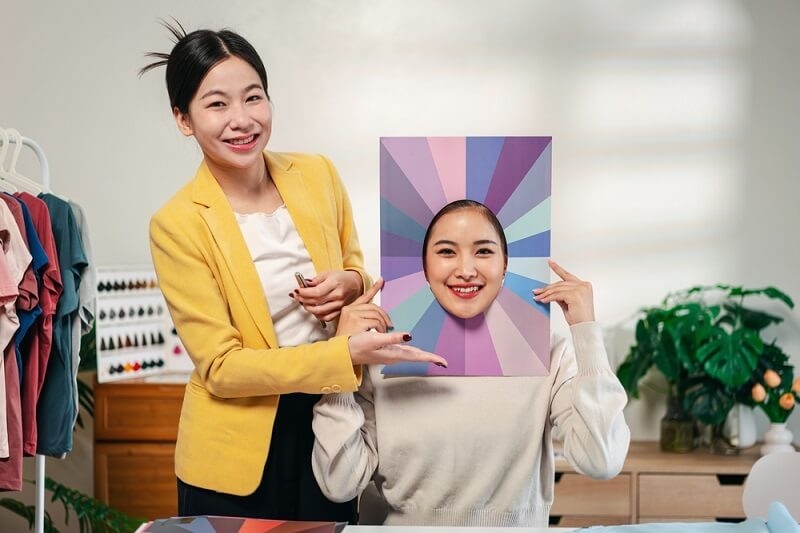
Color isn’t just about clothes. It’s about you. The right shade can make you look rested. The wrong one can make you look tired, even after eight hours of sleep.
Warm skin tones usually glow in earthy shades like rust, camel, and warm greens. Cool skin tones shine in blues, purples, and crisp whites. Many people fall somewhere in between, which is actually great news. It means more flexibility.
Try this simple test. Gold jewelry popping on your skin often hints at warmth. Silver standing out suggests cool. Not a rule, just a clue.
Colors speak before words. Soft pastels feel friendly. Dark tones feel serious. Bright colors feel confident, sometimes even rebellious.
That red dress at a party? It’s doing social work for you. The muted tones at a job interview? They’re saying you’re focused and dependable. Matching colors style isn’t vanity; it’s communication.
Feeling adventurous? Good. Style grows when you push a little past safe choices.
Contrast doesn’t mean chaos. Pairing blue and orange or purple and yellow works because they balance each other. The trick is scale. Let one color lead and the other support.
For example, a deep green jacket with a hint of pink in your sneakers or bag. The contrast shows confidence without shouting.
Prints add personality, but they need color harmony. Stripes and florals can coexist if they share a color family. A striped navy shirt with floral accents that include navy? That’s not luck. That’s strategy.
If it feels overwhelming, keep the rest of the outfit calm. Prints like attention. Let them have it, but don’t let them argue.
Colors don’t live in a vacuum. Weather, setting, and lifestyle all shape what feels right.
In relaxed settings, color rules loosen. Weekend outfits welcome brighter hues and playful mixes. In professional spaces across the USA, color still matters, but restraint leads.
Navy, charcoal, and soft blues dominate offices for a reason. They feel trustworthy. That doesn’t mean boring. A patterned tie or colorful blouse still shows personality.
Fall leans warm. Think browns, deep reds, and olive. Winter cools things down with black, gray, and icy tones. Spring brings softness. Summer goes bold.
You don’t have to overhaul your closet every season. Just rotate accent colors. A scarf, shoes, or jacket can do the seasonal heavy lifting.
Color matching fashion isn’t about rigid rules or perfection. It’s about awareness. Once you understand how color theory clothing shapes perception and how the fashion color wheel guides harmony, getting dressed feels lighter. You stop second-guessing and start trusting your instincts. Outfit color combinations become tools, not traps. And matching colors style becomes a reflection of who you are, not who you’re trying to impress. Honestly, that’s when style starts to feel fun again.
Start with neutrals and add one color you love. Keep it simple and build confidence from there.
Trends influence colors, but strong combinations stay relevant. Balance matters more than trend cycles.
It visually shows which colors work together, making decisions faster and less stressful.
Yes. When your outfit feels right, it shows in posture, mood, and how you move through the day.
This content was created by AI