


Personal style development feels exciting and confusing at the same time. Many people want better outfits, yet they feel unsure about where to begin. Finding your style takes patience and kindness toward yourself. Style identity tips help turn messy closets into meaningful choices. A personal fashion journey grows slowly, not overnight. Style personality types explain why some outfits feel right, and others feel strange. Here’s the thing: learning to discover your aesthetic is not about perfection, but about comfort and honesty.
This article shares guidance informed by fashion education fundamentals, wardrobe planning techniques, and long-standing styling practices. The goal stays clear. Offer helpful answers that support real people, real bodies, and real routines.
Personal style development is essential because clothing has a significant impact on daily confidence and comfort. When someone begins finding your style, mornings become easier. Fewer outfit regrets happen. Choices feel lighter and more intentional.
What this really means is that style becomes a tool rather than a pressure. Many wardrobe educators explain that developing a strong personal style improves self-confidence. People begin listening to their own preferences instead of outside noise. A personal fashion journey focuses on authenticity rather than approval.
Finding your style does not begin with shopping. It starts with awareness. Stylists often teach clients to observe their habits before making a purchase.
Helpful ways to begin finding your style include
These habits support personal style development because they reflect real life. A personal fashion journey becomes stronger when choices align with daily routines. Style identity tips often begin with awareness, not spending.
Style identity tips help reduce confusion and strengthen direction. Without them, closets often fill with random pieces.
Helpful style identity tips include
These practices appear often in professional styling education. That consistency supports trust in these methods. Personal style development improves when people treat style as a means of self-understanding rather than a set of rules to follow. Finding your style becomes easier when choices align with your intention.
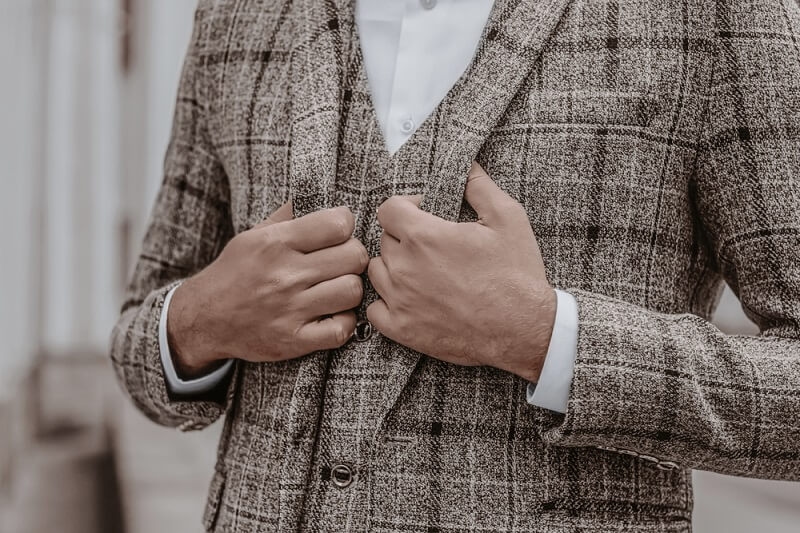
Style personality types help explain why some clothing feels natural while other pieces feel wrong. Not everyone enjoys the same aesthetic, and that is a healthy thing.
Everyday style personality types include
These categories frequently appear in fashion education because they clarify personal preferences. Style personality types do not limit creativity. They simply offer language for taste. Personal style development grows stronger when people respect their natural tendencies. Finding your style becomes less frustrating when personality leads.
A personal fashion journey never stays fixed. Bodies change. Lifestyles change. Preferences change. That process is normal.
Stylists often explain that wardrobes should evolve with the seasons of life. Work life needs differ from student life. Family routines require different clothing from travel routines. Here’s the thing: personal style development works best when flexibility is allowed. People who accept change tend to feel less guilt about their clothing choices.
This long-term mindset reflects how professional wardrobe consultants guide clients. That perspective builds credibility and trust.
Many people feel stuck when told to discover their aesthetic. It may sound complex, but the process can remain simple. "Aesthetic" simply means the visual style that feels comfortable and authentic.
Helpful ways to discover your aesthetic include
These steps make personal style development a practical approach. Discovering your aesthetic does not require expensive purchases. It requires reflection. Many fashion educators teach this same method during styling workshops.
Personal style development often feels messy early on. Mistakes happen, and they teach valuable lessons.
Common mistakes include
Finding your style takes time. A personal fashion journey grows through experimentation. Style identity tips exist to guide, not to pressure. Stylists often reassure clients that confusion is part of growth.
Wardrobe building becomes easier when guided by intention. Instead of chasing every trend, focus on what is useful.
Helpful wardrobe steps include
These actions support personal style development because they align with real life. Finding your style becomes visible through repeated patterns in color, fabric, and silhouette. A personal fashion journey becomes sustainable when wardrobes serve daily life.
Clothing affects how people feel in public spaces. When outfits reflect identity, confidence grows naturally.
Style identity tips support confidence because they
Many image consultants highlight that personal style development supports emotional well-being. This idea appears frequently in both the fashion and self-development fields. Discovering your aesthetic allows people to dress for themselves, rather than for approval.
Style shifts depending on the setting. Understanding this helps build realistic wardrobes.
Personal style development focuses on striking a balance between professionalism and individuality. Finding your style may involve selecting specific colors, silhouettes, or accessories that still meet dress expectations.
School environments allow more experimentation. Style personality types often appear strongly here. A personal fashion journey in this space can feel playful and expressive.
Comfort becomes the priority. Discovering your aesthetic at home often reveals valid preferences. Many people realize that their true style looks simpler than they expected.
Social events allow more creativity. Style identity tips help choose outfits that feel authentic while still being suitable.
This adaptability supports the idea that personal style development remains a practical approach.
Many principles shared here come from fashion education and wardrobe consulting practices. Professional stylists often receive training in color theory, proportion, wardrobe planning, and client psychology.
They emphasize
These teachings support the trustworthiness of guidance around personal style development. Finding your style follows thoughtful frameworks used across the fashion field.
Patience matters more than perfection. A personal fashion journey unfolds slowly.
Helpful reminders include
People who allow space for growth often enjoy personal style development more deeply. Discovering your aesthetic becomes enjoyable instead of stressful.
Personal style development supports confidence, clarity, and comfort. Finding your style requires patience and reflection. Style identity tips guide more intelligent choices. A personal fashion journey grows over time. Style personality types offer helpful insight. Learning to discover your aesthetic allows clothing to feel authentic, expressive, and aligned with real life.
Personal style development is the process of understanding preferences, building a wardrobe that reflects identity, and creating outfits that feel comfortable and authentic.
Finding your style is ongoing. Many people notice clarity after weeks of reflection, but personal style development continues to evolve throughout life.
Style personality types help many people understand preferences. They act as flexible guides, not strict labels.
To discover your aesthetic, start by observing your favorite outfits, colors, and fabrics. Notice patterns, reflect on lifestyle needs, and allow space for experimentation.
This content was created by AI