

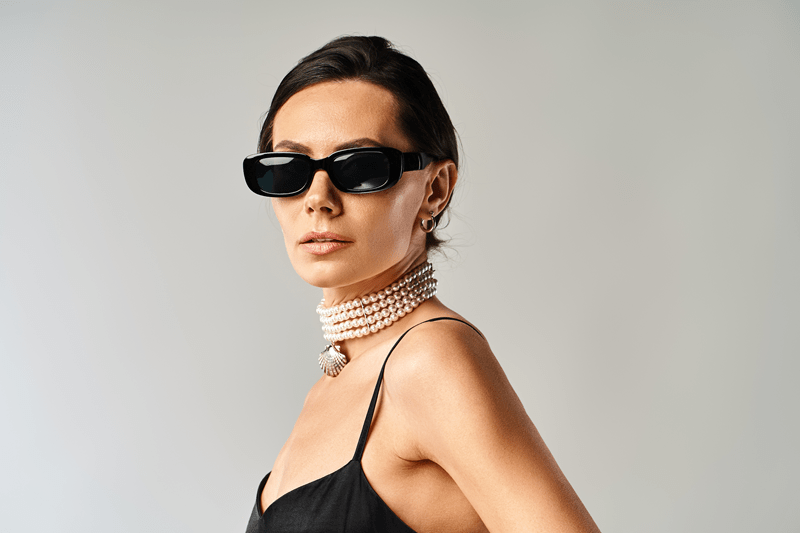
Accessories can be tiny, but they have main-character energy. A simple tee can look intentional with the right earrings. A dress can look expensive with the right bag. And a boring outfit can become “wait, that’s actually cool” in two seconds flat if the accessories are doing their job.
But there’s also a fine line. Too minimal and the look can feel unfinished. Too statement-heavy and suddenly the outfit is wearing the person, not the other way around. That’s why understanding statement versus minimal accessories is so useful. It’s not about rules for the sake of rules. It’s about knowing what creates the most impact for the moment someone is in.
This guide breaks down when to go bold, when to stay subtle, and how to balance it all so the look feels effortless, not chaotic.
Before getting into outfit choices, it helps to define the two styles.
Minimal accessories are usually:
Statement accessories are usually:
And here’s the important part: statement doesn’t always mean loud. A structured bag in a sharp shape can be a statement. A chunky silver cuff can be a statement. Even an oversized watch can be a statement. It’s more about presence than volume.
This is the core of statement versus minimal accessories: deciding whether the accessory is supporting the outfit or starring in it.
Clothes set the base. Accessories set the mood. That’s the simplest way to think about it.
Someone can wear the same black dress three different ways:
Same dress. Three totally different messages. Accessories are basically the shortcut to variety, especially when someone doesn’t want to buy more clothes.
If someone is standing there thinking, “Do I add earrings or not?” this quick test helps.
Ask these three questions:
If the outfit is already busy, minimal accessories usually work best. If the outfit is simple, statement pieces can add personality fast. This is basically an accessory impact guide in three questions.
Minimal accessories shine when the outfit already has enough going on. They keep things clean, intentional, and sharp.
Minimal works best for:
Minimal accessories also work when someone wants to look expensive without trying too hard. A thin gold chain, small hoops, and a clean watch can do more than a pile of trendy jewelry that clashes.
This is where bold vs subtle jewelry becomes a real decision, not just a preference. Subtle jewelry can feel powerful when the outfit is doing the heavy lifting.
Statement accessories work when the outfit needs a focal point. They add intention, energy, and personality. They’re also the easiest way to make basics feel styled.
Statement works best for:
A plain black outfit with bold earrings suddenly looks like a look. A white shirt with a chunky necklace becomes interesting. A simple dress with a standout bag feels styled.
The key is choosing one statement. Not five. This is where a lot of people mess up and end up with too much happening.
Most people don’t want to live on one side of the spectrum. They want variety. They want subtle some days and bold on others. That’s normal.
The trick is mixing simple vs flashy pieces in a way that feels balanced, not random.
Here are three easy formulas:
Notice the word medium. Not everything has to be extreme. A medium statement piece might be a bold belt, a structured bag, or a slightly oversized hoop. Enough to be noticed, not enough to overwhelm.
Balance is what makes accessories look intentional. Without balance, it’s chaos. Not fun chaos. Just messy.
These accessory balance ideas help keep outfits clean:
Also, consider the outfit’s details. If someone is wearing a top with embellishment or a strong collar, a bold necklace might compete. In that case, earrings or a bracelet make more sense.
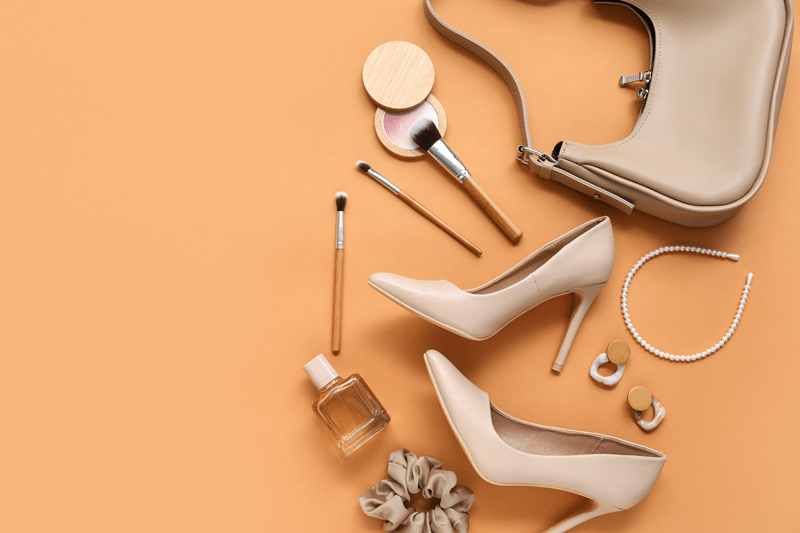
Accessories change depending on where someone is going. The same earrings that look perfect at dinner might feel too much at a work meeting. Here’s a quick breakdown.
Best approach: minimal with one polished detail.
These accent style tips keep it clean and confident.
Best approach: one noticeable piece.
This keeps casual outfits from feeling flat.
Best approach: statement focus.
The outfit should still feel wearable. Not like a costume. If someone feels uncomfortable, it’ll show.
If someone can’t decide, tell them to follow this:
Choose one statement piece and let everything else support it.
That one statement could be:
Once the statement is chosen, the rest gets simpler. This is the easiest way to master statement versus minimal accessories without overthinking.
Even stylish people do this sometimes. No shame.
Mistakes with minimal:
Mistakes with statement:
If something feels off, it usually needs one edit. Remove one accessory. Or swap one. That’s it.
A balanced collection should include both minimal and statement options. That way someone can adjust based on mood and occasion.
A practical starter set:
This creates range without clutter.
They should look at the outfit first. If the outfit is simple, a statement piece adds interest. If the outfit is already bold or busy, minimal accessories keep it balanced and polished.
Yes, but they should keep one piece as the focal point. For example, bold earrings with a delicate necklace, or a statement necklace with small studs. Balance is the goal.
Statement earrings are usually the easiest starting point. They add impact quickly, work with basic outfits, and don’t require complicated layering or styling.
This content was created by AI