


Today, fashion is less about following trends and more about creating a lifestyle that suits you by wearing clothes that match your daily life. With numerous activities occurring throughout each day, dressing to suit your lifestyle has become an increasingly effective way to express your personal style. Lifestyle-based fashion takes into consideration the following: your daily work schedule, exercise regimen, and your social life; the comfort of the clothing, and how confident you feel in it. Your wardrobe should complement all aspects of your life rather than just what was seen on the runway last season or in a magazine.
By combining practical fashion choices with real-life functionality and personal expression, lifestyle-based styling offers the perfect blend of elements to create your ideal wardrobe. Using the guidance in this functional style guide will enable you to create outfits that work best for you, rather than what others think you should wear for Instagram photos. When you intentionally plan and use the tips provided on how to organize your lifestyle wardrobe, your clothing will become a positive asset rather than an ongoing source of frustration.
Using lifestyle-centered styling involves coordinating your clothing with your current priorities, activities, and personality. This method emphasizes buying clothes for the present, rather than saving for "someday." You lead a complex lifestyle today, working remotely, traveling frequently, attending parties and family obligations, and so on. As such, a "one style fits all" does not apply in today's world of fashion. Through practical fashion choices, you will allow your clothing to support your day-to-day schedule rather than distract you from it.
With these guidelines on creating a functional style, you'll be able to look and feel well-polished without sacrificing comfort or authenticity. When you wear clothes that fit your lifestyle, you will experience much less stress and much more confidence as you prepare for your day.
Wearing outfits that correspond to your environment and responsibilities gives you confidence as they help create a wardrobe that fits your life. By dressing appropriately according to your daily activities, you can prepare yourself rather than feel constrained by what you wear.
Lifestyle-based styling decreases the pressure to be fashionable at all costs. It promotes thoughtfulness in planning outfits that represent who you are and what you do, through your work, hobbies, and social obligations. With the right lifestyle-based wardrobe tips, you can reduce the time spent doubting your choices and increase the time spent feeling confident.
Growing confidence comes from being able to rely on the clothes you wear and the things they are used for. Life-based fashion enables clothing to support movement, function, and self-expression - three fundamental elements that foster everyday confidence.
Practicality is a crucial component of fashion choices that align with a person's lifestyle. Practical clothing is clothing that serves multiple purposes, fits well, and is adaptable to your lifestyle.
A good example of practical clothing: Blazers with multiple uses, breathable materials, neutral colors, and quality shoe construction. Creating a wardrobe based on your lifestyle focuses on apparel that transitions easily from one setting to another. A well-organized wardrobe offers less "clutter" and increases the number of outfit combinations available to you.
This style guide on functional style emphasizes making thoughtful decisions when purchasing new clothing items rather than making impulse purchases. Instead of impulse buying clothing, focus on clothing items that meet the needs of your everyday life. Calendar-based style focuses on how long you can wear the clothes you buy. Calendar-based fashion focuses on how you wear, how long you will wear, and how easily you will wear clothes.
Busy professionals can maximize their time by creating a lifestyle-focused wardrobe that suits their needs. A well-organized wardrobe makes getting dressed much quicker, especially when time is limited. Essential tips for building a lifestyle wardrobe are creating a capsule collection, selecting wrinkle-free fabric, and utilizing a single color palette.
Dressing according to your lifestyle means selecting clothing that requires the least amount of time to put on while still maintaining a professional appearance. This approach focuses on using practical pieces that will keep you productive, rather than distracting you from what you need to accomplish while at work (for example: structured tops, tailored pants, and supportive footwear). The entire process of developing this type of wardrobe creates a functional style guide that provides the tools needed to use clothing as a means to achieve productivity, rather than a source of distraction.
People change all the time in ways that cause them to wear different clothing. Changes to your lifestyle will require an updated style of dress. Many factors can cause you to wear other clothes. Work, home, or changing interests all contribute to creating your wardrobe. Every time you make a change in your life, you will want to assess the types of clothing you wear. Your clothes should match your personal style and lifestyle. As you make these changes, it's essential to be willing to eliminate items from your wardrobe that no longer reflect who you are and to introduce new items that align with your current life.
You can update your wardrobe using a methodical approach with this guide. You can make informed decisions about which items to add to your wardrobe during various life changes, while maintaining a consistent style.
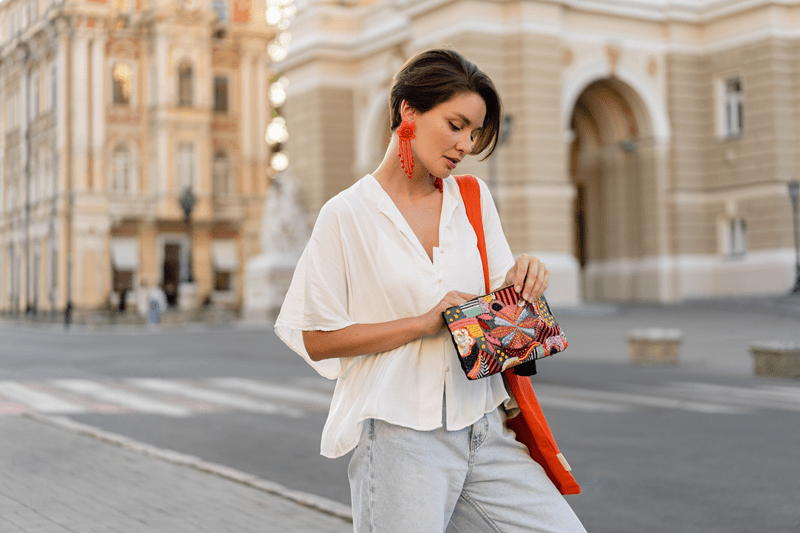
A good functional style guideline will always have three main goals for its consumer: versatility, comfort, and quality. You must understand that lifestyle-driven fashion is not just a minimalist approach to fashion, but also about being intentional in your choice of garments.
You want to select your garments based on the various ways you can wear them. This includes selecting garments that will work as practical options for your specific lifestyle (i.e., layering basics). When creating your wardrobe and deciding which garments to keep, consider how often and where you will wear each piece.
This approach to dressing, tailored to your life, creates a streamlined wardrobe, as each item serves a specific purpose and eliminates decision fatigue. Therefore, creating a simplified and stress-free wardrobe is possible!
Think of your social life as having equal importance in your life to your work-related clothing. With a lifestyle-driven style, you have outfits prepared for every type of casual occasion, special event, and personal relaxation period.
Dressing for your Life means knowing what types of social activities you participate in. For example, do you attend formal events, fancy lunch gatherings with friends, and/or outdoor activities? By creating your wardrobe according to those events, you will be able to feel more comfortable and confident in what you wear.
Fashion for Life allows you to express yourself while maintaining function. You can mix and match your clothes to make outfits that represent who you are without overthinking every outfit choice you make. With the right lifestyle wardrobe tips, you can create outfits that feel genuine without overanalyzing them.
Sustainable style fits naturally with a lifestyle-focused approach. By placing importance on how a garment fits into your medium- to long-term wardrobe strategy, you will purchase fewer pieces but wear many of them repeatedly.
Dressing according to your lifestyle decreases the amount of waste produced because every piece in your closet is being worn for a specific reason. Life-based fashion is based on the premise that a few high-quality pieces worn over the long term are worthwhile, rather than purchasing many pieces and replacing them with newer trends.
This functional style guide promotes mindful consumption, enabling customers to create a wardrobe that is both environmentally friendly and economical. Sustainable style starts with purpose, and purpose begins with understanding your lifestyle.
For a long-lasting personal style that works with your everyday life and remains consistent, revisit what you wear frequently. Regularly refining these tips about lifestyle wardrobes helps you keep pace with how your needs change as you live your life. By dressing for your lifestyle, you ensure that the clothes you have remain relevant for you while allowing you to feel confident and empowered every day. Your wardrobe itself is a reflection of who you are now and will become as you continue to grow and evolve. The functional style guide offers practical advice on building confidence and self-esteem through clothing, helping you create a wardrobe tailored to your unique individual needs.
The way lifestyle-driven styling shifts the paradigm of fashion is that it places Real Life at the core of every outfit you put together. By focusing on dressing your real life, rather than the runway or trend, you can create a wardrobe that actually fits your lifestyle and is composed of practical items for your daily activities. When you have a good idea of your lifestyle needs and a solid functional style guide, styling becomes effortless, intentional, and empowering.
Lifestyle-based wardrobe refers to your clothing and choosing what to wear according to the way you live each day (your daily living habits).
You have refined your personal style by dressing in a way that reflects your life. You will feel more confident, comfortable, relevant, and stylish because your clothing fits the needs of your lifestyle, not a far-fetched fashion trend.
Yes! A good balance of functionality with aesthetic, creating a polished look while allowing for comfort and adaptability.
Life-Based Fashion makes fashion decisions simpler. A "life-based" approach will make your wardrobe easy to navigate, declutter, and less confusing. You are looking for simple-to-wear, versatile items that fit your life.
Yes! There is no age limit for implementing lifestyle wardrobe guidelines. The focus of lifestyle wardrobe recommendations is on what is practical, comfortable, functional, and self-expressive, rather than simply what is considered "trendy" for a particular age or demographic.
This content was created by AI