

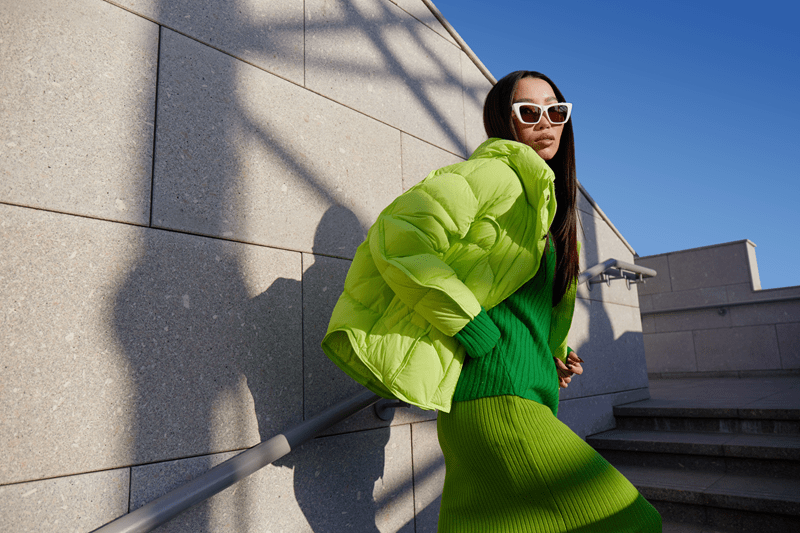
Style rules to break feel scary at first, yet they often bring freedom. Many outdated fashion rules still float around closets and minds. Debunking styling myths can help people dress with ease. Old-fashioned advice is still repeated, even when it no longer works. Traditional style tips can be helpful, but breaking fashion norms allows for a genuine expression of personality. Here’s the thing: style should feel human, not strict.
This article offers practical guidance informed by fashion education fundamentals, wardrobe planning techniques, and established styling principles. The goal stays simple. Provide clear and helpful answers that support real people and their outfits.
Perfect outfits rarely exist. Real outfits exist. That difference matters. Style rules to break help remove pressure. When fashion rules, the outdated lose power, and confidence grows. What this really means is that clothing becomes a tool for comfort rather than a source of stress.
Many people feel stuck because old-fashioned advice keeps repeating. Do not mix prints. Do not wear sneakers with dresses. Do not wear black with brown. These messages limit creativity. Styling myths debunked show that good style grows from intention, not restriction. Breaking fashion norms often leads to more authentic expression.
Outdated fashion rules still appear in magazines, blogs, and social feeds. They sound official, yet they fail in real life.
Standard rules that no longer hold power include
These ideas stem from older fashion systems that are built on rigid expectations. Today, style feels more open. Style rules to break often start right here. When fashion rules, the outdated lose authority, and space opens for personal choice.
Stylists and wardrobe educators often teach that rules exist to guide beginners, not to trap experienced dressers. That perspective supports trust and balance.
Styling myths debunked feel powerful because they replace fear with understanding. Many myths persist because they are repeated, not because they are true.
This myth falls apart with practice. Small florals paired with stripes can appear calming. Polka dots with checks can be a playful combination. Balance and color harmony matter more than the rule itself. Styling myths debunked like this one allow outfits to feel creative.
Sneakers now appear in offices, events, and social settings. Clean sneakers paired with tailored pants create a modern look. Sneakers paired with dresses make for a relaxed and stylish look. This is one of the most common style rules to break today.
Black and brown once felt forbidden. Now they look rich when styled well. Navy with black looks elegant when the tones feel balanced. Breaking fashion norms here opens many outfit options.
These shifts appear often in fashion education and styling workshops, which supports the trust behind these changes.
Old-fashioned advice often originates from a time when dress codes were more stringent. Society has changed. Workplaces have changed. Lifestyle has changed. Style must follow real life.
Common examples of old-fashioned advice include
These messages create pressure and limit expression. Style rules to break help release that pressure. Repeating outfits is now considered an innovative and sustainable choice. Comfort now links closely with confidence. Debunking styling myths allows people to trust their instincts instead of rigid traditions.
Many professional stylists now teach their clients to reevaluate these outdated beliefs instead of following them unthinkingly.
Not every tradition deserves to be thrown away. Some conventional style tips still offer value when used with flexibility.
Helpful traditional-style tips include
These ideas support structure without restriction. The key difference is mindset. Traditional-style tips should guide, not control. Style rules to break apply when a rule blocks comfort or self-expression.
This balance is often taught in wardrobe consulting programs and personal styling education, which lends credibility to this approach.
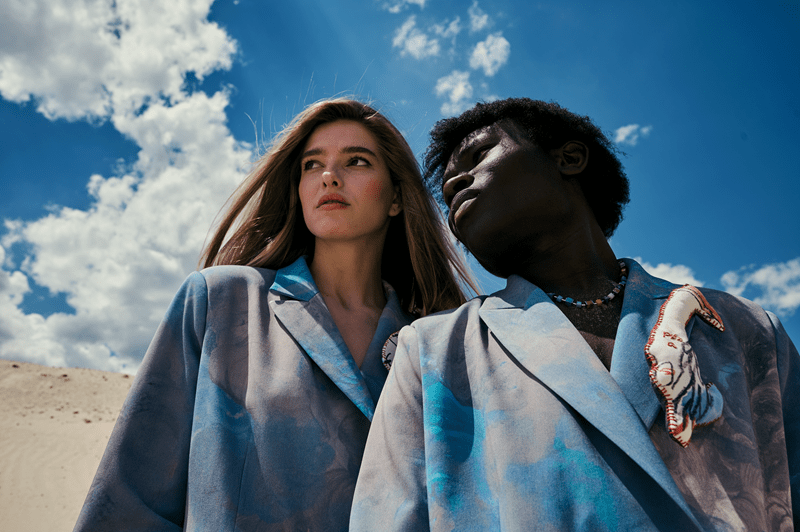
Breaking fashion norms does not mean chaos; it means embracing a new perspective. It means choosing with intention instead of fear. People who understand style rules to break often develop a stronger sense of identity in their dress.
Examples of breaking fashion norms in healthy ways include
These choices tell stories. They show personality. They create a connection. Styling myths debunked make room for these expressions.
Here’s the thing: people trust style that feels real. That authenticity often emerges from thoughtfully breaking fashion norms.
Not every rule needs to be broken every day. Choice matters. Intention matters.
Helpful questions to ask include
If the answer feels like no, that rule likely belongs on the list of style rules to break. Fashion rules often fail this test. Old-fashioned advice often fails, too. Styling myths are debunked when this filter is used.
This method reflects how many experienced stylists guide clients during wardrobe sessions.
Context still matters. Breaking fashion norms looks different at work, at home, and in social settings.
Some structure still supports credibility. Yet many old-fashioned advice rules no longer apply. Examples of healthy flexibility include
These shifts appear across modern workplace dress culture. Style rules to break here support both identity and professionalism.
Casual life offers the most freedom. This is where styling myths debunked feel easiest to apply. Mixing textures, repeating outfits, and wearing comfort pieces proudly all support a relaxed, confident style.
Even formal events now allow more flexibility. Personal touches, such as bold jewelry, colorful suits, or unique footwear, can honor the event while still expressing individuality. Breaking fashion norms here requires subtlety, not rebellion.
Fashion rules often survive because repetition feels like truth. Media, family habits, and social pressure perpetuate these ideas. Many people never pause to question them.
Education plays a role in changing this. Fashion programs, styling courses, and wardrobe consulting are increasingly focusing on critical thinking rather than rigid rule-following. That shift supports the credibility of breaking style rules as a modern approach, not a reckless one.
This reflects experience, expertise, and trust built across professional styling communities.
Style rules to break help build freedom and confidence. Fashion rules that are outdated no longer serve modern life. Styling myths debunked, replace fear with clarity. Old-fashioned advice should be questioned. Traditional-style tips still guide when used gently. Breaking fashion norms allows genuine personality to shine through, making everyday dressing feel more effortless.
Style rules to break, remove pressure, and let outfits reflect your true personality. They support comfort, confidence, and authenticity.
Not all outdated fashion rules are useless, but many no longer fit modern lifestyles. Each rule should be evaluated based on usefulness, not tradition.
Styling myths debunked remove the fear of making mistakes. When people trust their choices, confidence naturally grows.
Some traditional-style tips still offer value, particularly in terms of fit, balance, and quality. The key is using them as guides, not strict laws.
This content was created by AI