

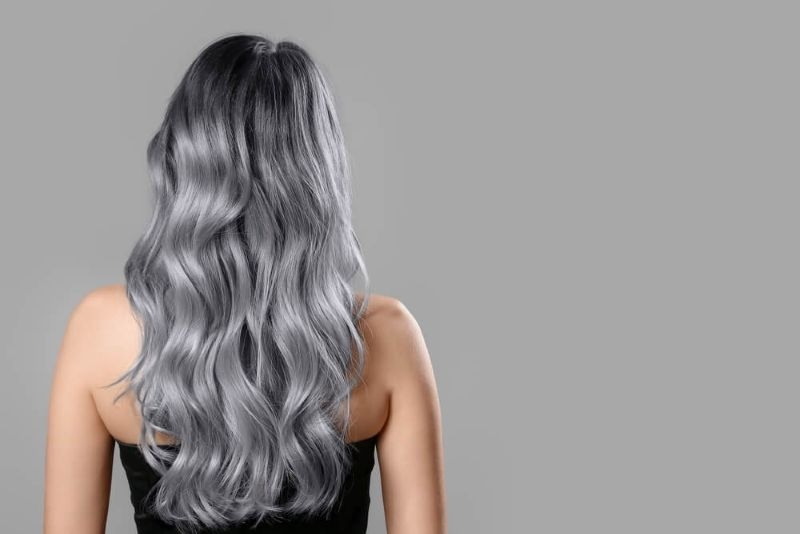
Remember how finding your first gray hair used to feel like the end of the world? These days, it’s more like a new style option on the menu. Walk into any salon, and you’ll hear people asking how to blend their grays, not cover them up. The script has flipped: gray hair isn’t a problem to solve—it’s part of your look.
This change didn’t just happen overnight. Softer coloring techniques and a new, laid-back attitude about aging nudged everyone’s perspective. Now, instead of covering up grays, people work with them—sometimes even showing them off.
The real magic now is all about subtlety. Nobody wants the harsh lines and never-ending root touch-ups anymore. It's all about blending. Modern colorists treat gray strands as highlights, not mistakes. That shift changes everything.
Full coverage dyes used to be the rule. You picked a color, slathered it on, and a few weeks later, started the whole process over again. It worked, but boy, was it a commitment.
Now, stylists soften things up. Instead of hiding the gray, they blend it into your natural color. The end result: hair that looks lighter, has more dimension, and feels more forgiving as it grows.
Let’s face it, few people have the patience (or the budget) for endless salon visits. Rising costs and packed schedules mean low-maintenance styles are the way to go.
Also Read: Everyday Styling Tips for Polished Looks Without the Stress
The roughest part about going gray? That weird “half-and-half” moment when roots and ends don’t match. It feels messy, and not in a cool way. But a good stylist can make this transition smooth.
Great stylists don’t just slap on color. They plan out your journey to gray. Usually, that means gently lightening the colored sections of your hair so they match your new grays better. Doing it slowly takes away those sharp contrasts.
Some salons suggest trimming off old color bit by bit, too—not an instant fix, but it looks much more natural.
The secret here is blending. Instead of drawing a line between gray roots and darker ends, stylists soften the difference. They’ll use techniques like:
These tricks help your hair look intentional—even as it’s changing. And that does wonders for your confidence.
Gray blending is now one of the most popular salon services, and with good reason. Instead of picking a side—full color or all-over gray—you get a mix. Think of it as a happy, stylish in-between.
It’s smart, really. Stylists weave in lighter strands that look a lot like your natural grays. This minimizes the contrast between dark and gray hair, so everything merges together.
Some techniques work better on certain hair types, but a few have become favorites:
Which one fits best? Totally depends on your style.
Suggested Reading: Personal Style Development That Grows With You Over Time
This part is personal. Not every color interacts with gray the same way, and it depends on your skin tone, your original hair color, and just how rapidly the grays are showing up.
Cool shades—think ash blondes, silvers, or even icy platinum's—tend to blend beautifully with gray. They give your overall color a seamless, cohesive look. But hey, if you love warm tones, you can definitely make those work; they just might need a little extra upkeep.
There aren't any hard rules here. Some people go for bold contrast on purpose, mixing gray with golds or coppers. It’s all about what suits you.
It’s a classic question. Going darker seems like an easy fix, but honestly, dark dye makes roots stand out faster, so you’re back in the salon sooner. Lighter shades mesh better with gray hair and make the growing-out phase a lot less noticeable.
Let’s talk feelings. For plenty of people, going gray is tied up with big stuff—age, self-image, even self-confidence. But truthfully, it’s not about losing something; it’s about leveling up your style.
This shift won’t happen in one weekend. Depending on how much color you’ve got now and how long your hair is, the process might take months. Slow and steady usually looks best.
At-home kits are tempting, but when you’re making a big switch, stylists are your best bet. They know how to balance tones, keep your hair healthy, and help you avoid weird patches or color surprises.
Once you get your hair where you want it, upkeep is a breeze compared to old-school all-over color. A few tips to keep your highlights looking fresh:
It doesn’t take much work, but the results are worth it.
Don't Miss: Style Rules to Break That Make Everyday Outfits Feel Free
Gray hair isn’t something people feel the need to hide anymore. The conversation is all about how to own it and make it look great. Style can flex with time—and honestly, it’s way cooler when it does.
So, if you’re thinking of going gray, remember: the process is about making smart choices, blending with care, and giving yourself time to adapt. You’re not losing your style; you’re just giving it a new twist.
There is no reliable way to fully reverse gray hair once it appears. Some lifestyle factors like nutrition and stress management may support overall hair health, but they won’t restore natural pigment. Most visible changes still rely on color techniques.
Not necessarily, but many people find that layered or textured cuts work better with gray hair. These styles add movement and prevent the hair from looking flat, especially since gray strands can sometimes feel coarser.
Gray hair can feel drier because it produces less natural oil. This makes it more prone to frizz and dullness. Regular conditioning and gentle handling help maintain its strength and appearance.
Toning depends on your environment and hair type, but many people refresh tone every 4 to 8 weeks. If you notice yellowing or dullness, a toner or purple shampoo can help restore brightness quickly.
This content was created by AI